Protecting Your Roof After Severe Weather: Key Steps and Considerations
Severe weather in Northern Florida can put any roof to the test. High winds, heavy rain, and hail often leave damage that is not always obvious from the ground. Knowing what to look for after a storm and how to respond can make a major difference in protecting your property and avoiding more expensive repairs down the road.
Common Types of Storm Damage
Storms can affect roofs in several distinct ways. Understanding the signs of each type helps you assess the situation more accurately.
Wind Uplift
Strong winds create lift on the edges of roof panels and shingles. Over time, this can loosen fasteners and cause shingles to lift or tear away. Even if the roof looks intact from a distance, wind uplift can compromise the seal around vents, chimneys, and skylights. Water then finds its way in through gaps that were not there before.
Hail Damage
Hailstones can bruise or crack asphalt shingles, leaving small dents that weaken the protective surface. On metal roofs, hail can dent panels and strip away the coating, leading to rust later. The damage is often concentrated on the side of the roof that faced the storm. A close inspection after a hailstorm is worthwhile even if no leaks are present yet.
Shingle Damage and Granule Loss
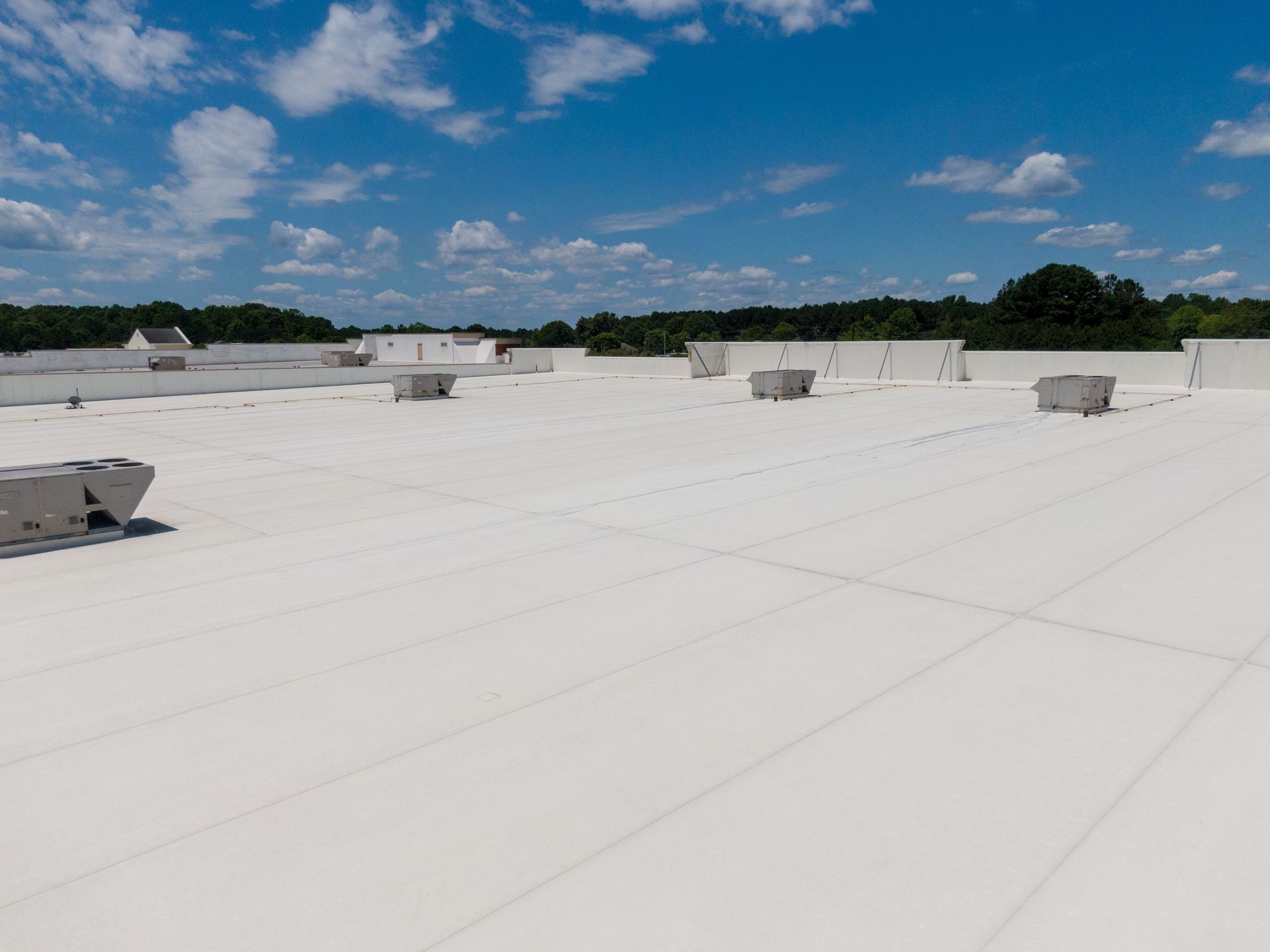
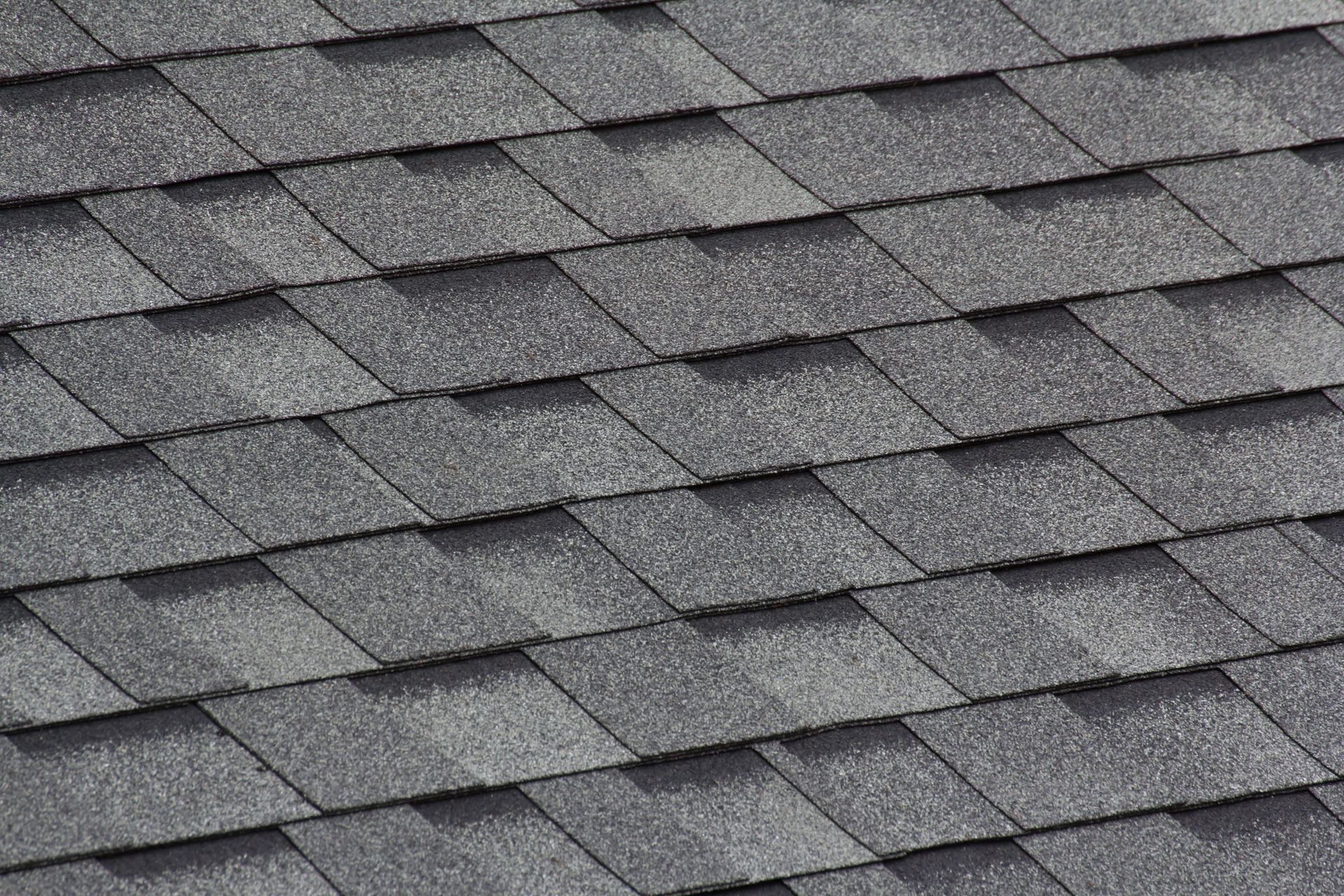
High winds and rain can wash away the protective granules from asphalt shingles. This exposes the underlying mat to sunlight and accelerates aging. Shingles may also curl, crack, or become brittle. Granule loss in gutters or on the ground is a clear sign that the roof has taken a beating.
Roof Leaks and Water Intrusion
A leak may not show up during the storm itself. Water can travel along roof decks and rafters before dripping into a living space. Stains on ceilings or walls, damp insulation, and musty odors are common clues. Even a small leak, if left unchecked, can lead to mold growth and structural rot.
What To Do Right After a Storm
The immediate aftermath of a storm can be chaotic, but a few practical steps can help you stay safe and protect your roof.
- Stay safe first. Do not climb onto the roof if there are downed power lines, standing water, or unstable surfaces. Wait until conditions are safe.
- Look from the ground. Use binoculars to scan for missing shingles, visible tears, or debris that has hit the roof. Check gutters and downspouts for granule loss or shingle fragments.
- Check the interior. Look in the attic or top-floor rooms for any signs of moisture, staining, or daylight coming through the roof deck. This can reveal damage that is hidden from outside.
- Document what you see. Take photos and notes of any damage. This helps when you talk to your insurance company or a roofing professional later.
- Temporarily cover openings. If there is a hole or torn area, covering it with a tarp can prevent further water entry until permanent repairs are made. Ensure the tarp is secured properly to avoid causing more damage.
When To Call a Professional
Some damage is straightforward, but many types of storm damage are not easy to assess without experience. A professional inspection can identify hidden issues that could become bigger problems later. The phrase "storm damage roofing" refers to the specific expertise needed to evaluate and repair roofs after severe weather. This is not the same as routine roof maintenance. The assessment often involves checking for structural shifts, loose flashings, and compromised seals that are not visible from the ground.
If you notice any of the following, a professional should take a look: missing or loose shingles, visible sagging in the roof deck, water stains inside the home, or debris that has punctured the roof surface. Even if the damage seems minor, the cost of an inspection is small compared to the potential cost of a full replacement if water damage spreads.
Working With Insurance
Many homeowners in Northern Florida have insurance policies that cover storm damage. Filing a claim can feel daunting, but being prepared helps. Start by reviewing your policy to understand what is covered and what your deductible is. Then document everything: photos of the roof, the interior damage, and any temporary repairs you made. Keep receipts for materials like tarps or plywood, as some policies reimburse for emergency measures.
When an adjuster visits, having a roofing professional present can be beneficial. They can point out specific issues that might otherwise be missed. An insurance claim typically covers the cost of repair or replacement minus your deductible, but the process varies by provider. Being organized from the start can speed things along.
Repair or Replace?
After a professional inspection, you will face a decision: repair the damaged sections or replace the entire roof. Several factors come into play. The age of the roof matters. If the roof is near the end of its expected lifespan, replacing it may make more sense than patching it. The extent of damage is also critical. Widespread shingle loss, structural sagging, or multiple leaks often point toward replacement. On the other hand, isolated damage such as a few missing shingles or a small leak around a vent can usually be repaired without replacing the whole roof.
Another consideration is the type of roofing material. Asphalt shingles that have lost granules over a large area may not be worth repairing piece by piece. Metal roofs with scattered dents might be repairable, but if the coating is compromised, corrosion can spread. A professional can give you a clear picture of the costs and benefits of each option based on the specific condition of your roof.
Preparing for Future Storms
Once repairs or replacement are complete, think about what can be done to reduce the risk of future damage. Keeping gutters clean and downspouts clear helps water flow off the roof quickly during heavy rain. Trimming overhanging branches prevents limbs from scraping the roof or falling onto it during a storm. Securing loose flashings and vents before storm season starts can prevent wind from getting under them.
Some homeowners also consider impact-resistant roofing materials if they live in areas that see frequent hailstorms. While no roof is storm-proof, choosing materials rated for higher wind speeds and impact resistance can provide an extra layer of protection. Regular inspections, at least once a year and after every major storm, catch small issues before they turn into emergencies.
The Value of Professional Expertise
Dealing with storm damage roofing requires more than just patching holes. It involves understanding how wind and water interact with the roof structure, knowing which repairs will last, and being able to spot hidden damage that could cause trouble later. A professional who specializes in this kind of work brings that knowledge to every job. They can also advise on the best course of action based on the specific storm event and the roof's condition.
Rushing into repairs without a proper assessment can lead to wasted money and recurring problems. Taking the time to get a thorough inspection, document everything for insurance, and choose between repair and replacement based on sound advice pays off in the long run. Your roof is one of the most important parts of your home, and treating it with care after a storm is an investment in your property's future.